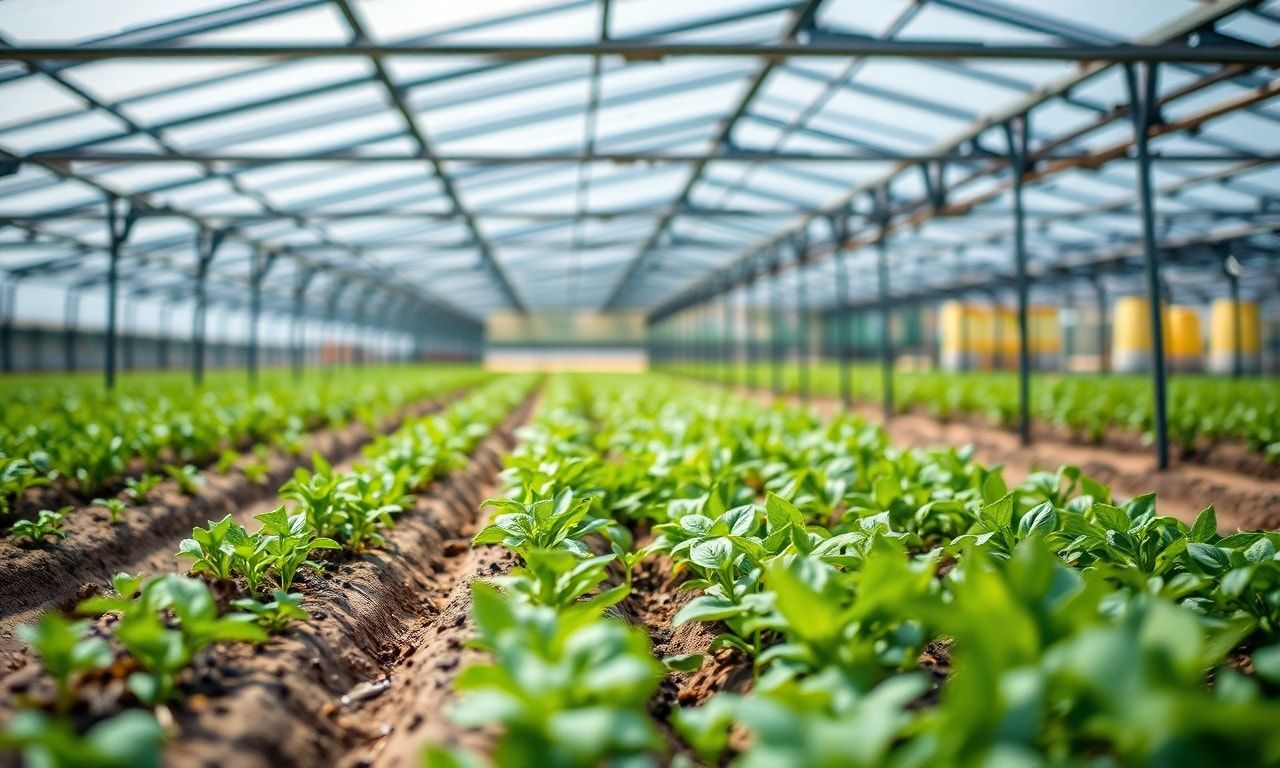
The Evolution of Smart Farming
In the rapidly advancing world of technology, agriculture is not left behind. Smart farming, a term that encompasses the use of modern information and communication technologies into agriculture, is revolutionizing the way we cultivate crops and raise livestock. This technological integration aims to improve the efficiency, productivity, and profitability of agricultural practices while promoting sustainability.
The Role of IoT in Modern Agriculture
The Internet of Things (IoT) has found a significant application in agriculture. IoT devices such as sensors, drones, and autonomous vehicles collect and analyze data from the field, providing farmers with real-time information. This data can be used to monitor soil moisture, crop health, and livestock conditions, enabling farmers to make informed decisions. For instance, sensors can detect the exact amount of water required for crops, ensuring optimal irrigation and conserving water resources.
Moreover, drones equipped with advanced imaging technology can survey large fields quickly, identifying areas that require attention. They can also be used to plant seeds and spray pesticides, reducing the need for manual labor and increasing efficiency. Autonomous vehicles, on the other hand, can perform tasks such as plowing, planting, and harvesting, further automating the farming process.
The Importance of Data Analytics
Data analytics plays a crucial role in smart farming. The vast amounts of data collected by IoT devices are analyzed to provide insights that can improve farming practices. For example, data on weather patterns, soil conditions, and crop health can be used to predict yields and optimize planting schedules. This predictive capability allows farmers to plan ahead, reducing waste and increasing profitability.
Furthermore, data analytics can help farmers identify trends and patterns that may not be immediately apparent. For instance, analyzing data over several seasons can reveal the optimal time to plant or harvest a particular crop, taking into account factors such as weather, soil conditions, and market demand. This level of insight can significantly improve the efficiency and profitability of farming operations.
The Impact of AI and Machine Learning
Artificial Intelligence (AI) and Machine Learning (ML) are also making waves in the agricultural sector. AI-powered systems can analyze data from various sources, including satellites, drones, and ground sensors, to provide real-time insights into crop health and soil conditions. These systems can also predict weather patterns and identify potential pests and diseases, allowing farmers to take preventive measures.
Machine Learning algorithms can be trained to recognize patterns and anomalies in data, enabling them to make accurate predictions. For example, an ML algorithm can be trained to recognize the signs of a particular disease in crops, allowing farmers to take early action to prevent the spread of the disease. Similarly, AI can be used to optimize the use of resources such as water, fertilizer, and pesticides, reducing waste and improving sustainability.
The Role of Cybersecurity in Smart Farming
As farming becomes more technology-driven, the need for robust cybersecurity measures becomes paramount. Smart farming systems collect and analyze vast amounts of data, making them attractive targets for cybercriminals. A breach in a farming system can have serious consequences, including the loss of sensitive data, disruption of operations, and financial losses.
To protect against these threats, farmers must implement strong cybersecurity measures. This includes using secure networks, encrypting data, and regularly updating software and hardware. Farmers should also be aware of the potential risks and take steps to mitigate them. For example, they should be cautious when sharing data with third parties and ensure that their systems are protected against common cyber threats such as phishing and malware.
The Future of Smart Farming
The future of smart farming looks promising, with advancements in technology continuing to drive innovation in the agricultural sector. Emerging technologies such as blockchain, 5G, and edge computing are expected to further enhance the capabilities of smart farming systems. For instance, blockchain can be used to create a transparent and secure supply chain, ensuring the integrity of agricultural products. 5G, with its high-speed and low-latency connectivity, can enable real-time data transmission and analysis, improving the responsiveness of smart farming systems. Edge computing, on the other hand, can reduce the need for centralized data processing, improving the efficiency and reliability of smart farming systems.
In conclusion, smart farming is transforming the agricultural sector, making it more efficient, productive, and sustainable. As technology continues to evolve, the potential for smart farming to revolutionize agriculture is immense. Farmers who embrace these technologies can expect to see significant improvements in their operations, ultimately leading to increased profitability and sustainability. For those interested in the latest advancements in smart farming, resources like tarım ürünleri satış fiyatları güncel can provide valuable insights and information.
To gain a deeper understanding of how tech innovations are shaping the agriculture sector, delve into our analysis of current market trends in farming and their implications for tech-driven solutions.
As technology continues to reshape industries, China’s tech-driven farming advancements offer a fascinating glimpse into the future of sustainable agriculture and AI integration.
Discover how AI transforms farming and explore the cutting-edge tech set to revolutionize the agricultural sector by 2026.