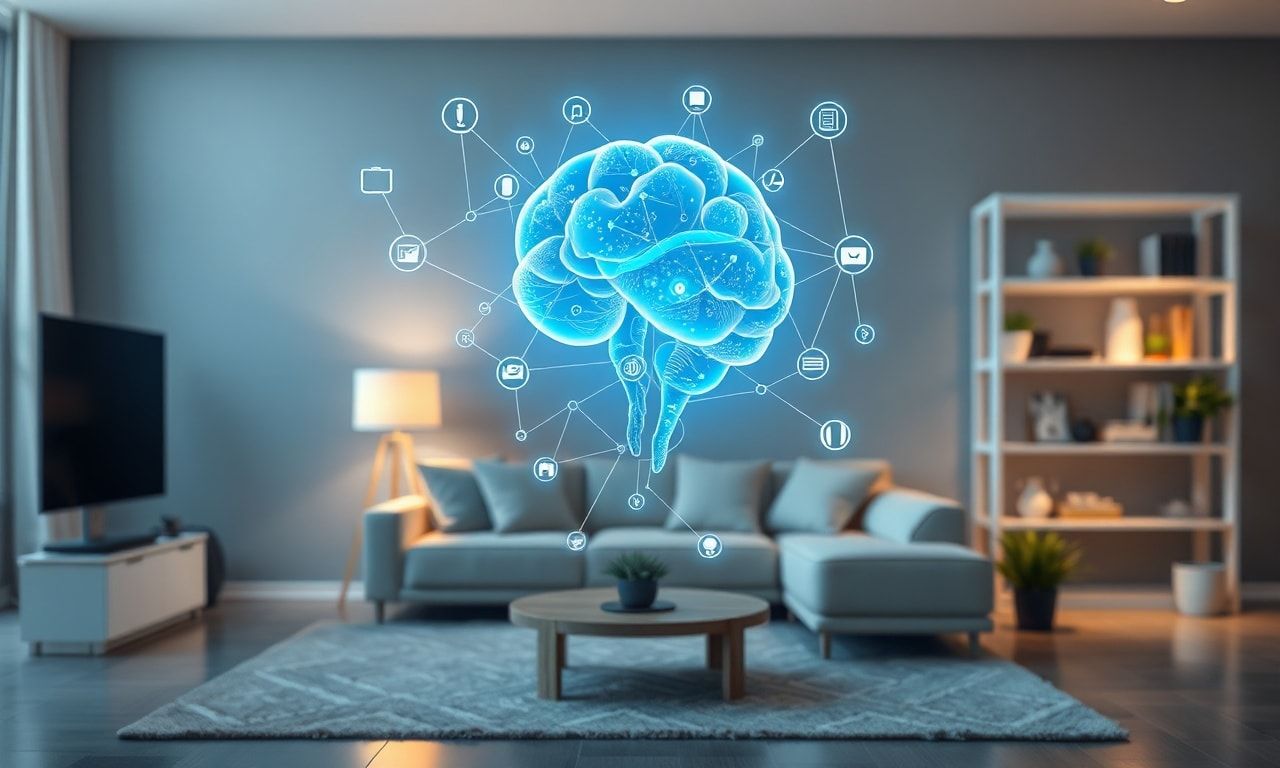
The Evolution of Smart Home Technology
The landscape of home technology has undergone a profound transformation over the past decade. The integration of smart devices has revolutionized the way we interact with our living spaces, enhancing convenience, security, and efficiency. From smart thermostats to intelligent lighting systems, the market has seen an influx of innovative solutions designed to streamline daily tasks and improve quality of life. This evolution is not just about gadgets; it’s about creating a seamless, interconnected ecosystem that responds to our needs intuitively.
The Role of Artificial Intelligence in Smart Homes
Artificial Intelligence (AI) has emerged as a cornerstone of modern smart home technology. AI-driven systems are capable of learning user preferences, adapting to routines, and making autonomous decisions to optimize home environments. For instance, AI-powered virtual assistants like Amazon’s Alexa and Google Assistant can manage a wide array of tasks, from playing music to controlling smart appliances. These systems leverage machine learning algorithms to analyze data and provide personalized recommendations, making them indispensable in today’s smart homes.
AI-Powered Security Systems
One of the most significant advancements in smart home technology is the integration of AI into security systems. Traditional security cameras have been upgraded with AI capabilities, enabling real-time threat detection and alerts. These systems can distinguish between routine activities and potential security breaches, providing homeowners with peace of mind. Additionally, AI-driven security systems can integrate with other smart devices, such as smart locks and alarm systems, to create a comprehensive security network.
Enhancing Home Automation with AI
Home automation has reached new heights with the advent of AI. Smart home hubs, equipped with AI algorithms, can manage various devices and systems within the home, from lighting and temperature control to entertainment and home improvement ideas budget tips. These hubs can learn from user behavior and adjust settings automatically, ensuring optimal comfort and energy efficiency. For example, an AI-powered thermostat can learn your daily schedule and adjust the temperature accordingly, reducing energy consumption and costs.
The Future of AI in Smart Homes
The future of AI in smart homes is bright and promising. As technology continues to evolve, we can expect even more sophisticated integrations and capabilities. AI-driven systems will become more intuitive, capable of predicting user needs and anticipating potential issues before they arise. This proactive approach will further enhance the convenience and efficiency of smart homes, making them an integral part of our daily lives.
Cybersecurity in the Age of Smart Homes
While the benefits of smart home technology are undeniable, it is crucial to address the associated cybersecurity risks. As homes become more connected, they also become more vulnerable to cyber threats. Ensuring the security of smart devices and networks is paramount. Implementing robust security measures, such as strong encryption and regular software updates, can help protect against potential breaches. Additionally, educating users about best practices for cybersecurity can mitigate risks and ensure a safe smart home environment.
Best Practices for Smart Home Security
To safeguard your smart home, consider the following best practices:
- Use strong, unique passwords for all smart devices and accounts.
- Enable two-factor authentication where available.
- Regularly update the firmware and software of your smart devices.
- Use a secure, encrypted Wi-Fi network.
- Monitor your network for any unusual activity.
By following these guidelines, you can significantly reduce the risk of cyber threats and enjoy the benefits of smart home technology with peace of mind.
To enhance your daily tech habits, consider exploring integrating technology into routines, a comprehensive guide on leveraging innovations for productivity and security.
As tech enthusiasts know, smartwatches have evolved into powerful gadgets beyond mere timekeeping; explore their journey in smartwatch advancements today.
As technology continues to reshape our cities, explore how Shanghai blends tradition with innovation in its urban renewal projects, offering a model for smart city development.