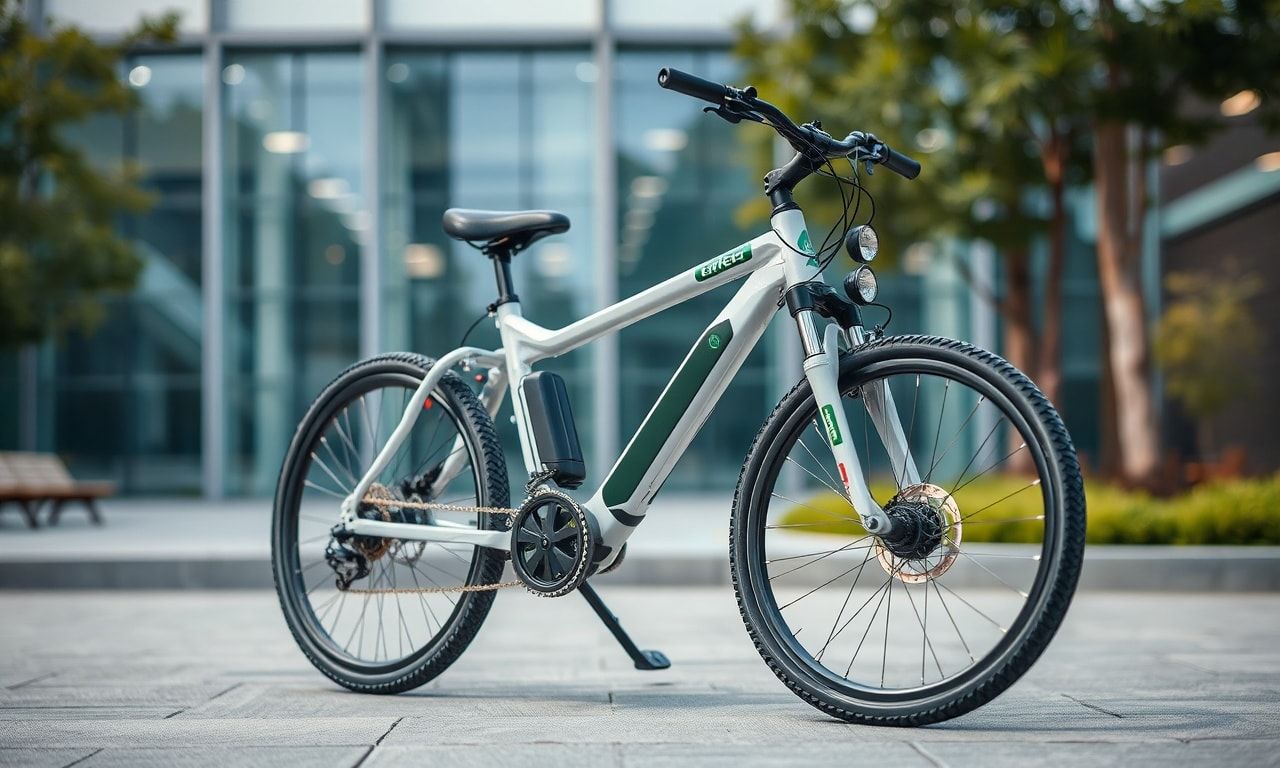
The Rise of Electric Bikes
The technological landscape is continually evolving, and one of the most exciting developments in recent years has been the rise of electric bikes. These innovative vehicles combine the convenience of traditional bicycles with the power of electric motors, offering a sustainable and efficient mode of transportation. As urban areas become more congested and environmental concerns grow, electric bikes are emerging as a viable solution for commuters and enthusiasts alike.
The Technology Behind Electric Bikes
Electric bikes, or e-bikes, are equipped with an electric motor that assists the rider’s pedaling. This motor is powered by a rechargeable battery, which can be easily charged using a standard electrical outlet. The level of assistance provided by the motor can vary, allowing riders to choose between different modes of operation. Some e-bikes offer pedal-assist modes, where the motor kicks in only when the rider is pedaling, while others provide throttle-only modes, where the rider can control the motor independently.
The technology behind e-bikes has advanced significantly in recent years. Modern e-bikes are equipped with sophisticated sensors and control systems that ensure a smooth and efficient riding experience. These systems can detect the rider’s pedaling cadence and adjust the motor’s assistance accordingly, providing a seamless and natural riding experience. Additionally, many e-bigs feature advanced battery management systems that optimize battery life and performance.
The Role of Software in E-Bike Innovation
Software plays a crucial role in the development of e-bikes. Many modern e-bikes come equipped with smartphone apps that allow riders to monitor their riding data, track their routes, and even control the bike’s settings remotely. These apps can provide valuable insights into the rider’s performance and help them optimize their riding experience. Additionally, some e-bikes feature built-in GPS systems that allow riders to navigate their routes with ease.
The integration of software and hardware in e-bikes has led to the development of innovative features such as anti-theft systems, which use GPS tracking to locate the bike in case of theft. Some e-bikes also feature advanced security systems that require a PIN code or smartphone authentication to start the motor, providing an extra layer of security for the rider.
The Benefits of Electric Bikes
Electric bikes offer numerous benefits for both riders and the environment. For riders, e-bikes provide a convenient and efficient mode of transportation that can help them avoid traffic congestion and reduce their carbon footprint. E-bikes are also a great option for those who may not be able to ride a traditional bike due to physical limitations or health concerns. The electric motor can provide the necessary assistance to make riding easier and more enjoyable.
From an environmental perspective, e-bikes are a sustainable mode of transportation that can help reduce greenhouse gas emissions and air pollution. According to a study by the European Cyclists’ Federation, e-bikes can reduce CO2 emissions by up to 10% in urban areas. Additionally, e-bikes can help reduce noise pollution, as they are much quieter than traditional motor vehicles.
Economic Benefits
E-bikes can also provide significant economic benefits for both individuals and society as a whole. For individuals, e-bikes can be a cost-effective mode of transportation, as they require less maintenance and fuel than traditional motor vehicles. Additionally, e-bikes can help individuals save money on transportation costs, such as parking fees and public transportation fares.
From a societal perspective, e-bikes can help reduce healthcare costs by promoting physical activity and reducing the incidence of obesity and other health-related conditions. According to a study by the University of Wisconsin-Madison, e-bike riders burn an average of 400 calories per hour, which is comparable to traditional cycling. Additionally, e-bikes can help reduce traffic congestion and improve air quality, which can lead to significant economic benefits for society as a whole.
Financing and Leasing Options
As the popularity of e-bikes continues to grow, so does the need for financing and leasing options. Many e-bike manufacturers and retailers now offer financing plans that allow riders to purchase an e-bike with low monthly payments. These plans can be a great option for those who want to own an e-bike but may not have the upfront capital to purchase one outright.
Additionally, some e-bike manufacturers and retailers offer leasing options that allow riders to rent an e-bike for a fixed period of time. These leasing options can be a great option for those who want to try out an e-bike before committing to a purchase. Leasing options can also be a great way for businesses to provide e-bikes to their employees as a sustainable and cost-effective mode of transportation.
For those interested in exploring financing and leasing options for e-bikes, there are many resources available online. One such resource is the guide to electric bike financing and leasing options, which provides valuable information on the different financing and leasing options available for e-bikes. This guide can help riders make an informed decision about which financing or leasing option is best for their needs and budget.
The Future of Electric Bikes
The future of e-bikes looks bright, as technological advancements continue to improve their performance, range, and affordability. One area of innovation is the development of more powerful and efficient batteries. Advances in battery technology are expected to lead to e-bikes with longer ranges and faster charging times, making them an even more attractive option for commuters and enthusiasts alike.
Another area of innovation is the integration of e-bikes with smart city infrastructure. As cities around the world look for ways to reduce traffic congestion and improve air quality, e-bikes are emerging as a key component of smart city initiatives. The integration of e-bikes with smart city infrastructure can provide riders with real-time information on traffic conditions, available parking spaces, and even charging stations.
Additionally, the development of e-bike sharing programs is expected to play a significant role in the future of e-bikes. E-bike sharing programs allow riders to rent an e-bike for a short period of time, making them a convenient and affordable option for those who want to try out an e-bike without committing to a purchase. These programs can also help promote the use of e-bikes as a sustainable and cost-effective mode of transportation.
In conclusion, the convergence of technology and sustainable mobility is leading to the development of innovative and exciting new modes of transportation. Electric bikes are at the forefront of this movement, offering a sustainable, efficient, and enjoyable mode of transportation for commuters and enthusiasts alike. As technological advancements continue to improve their performance, range, and affordability, e-bikes are poised to play a significant role in the future of transportation.