The Rise of Artificial Intelligence
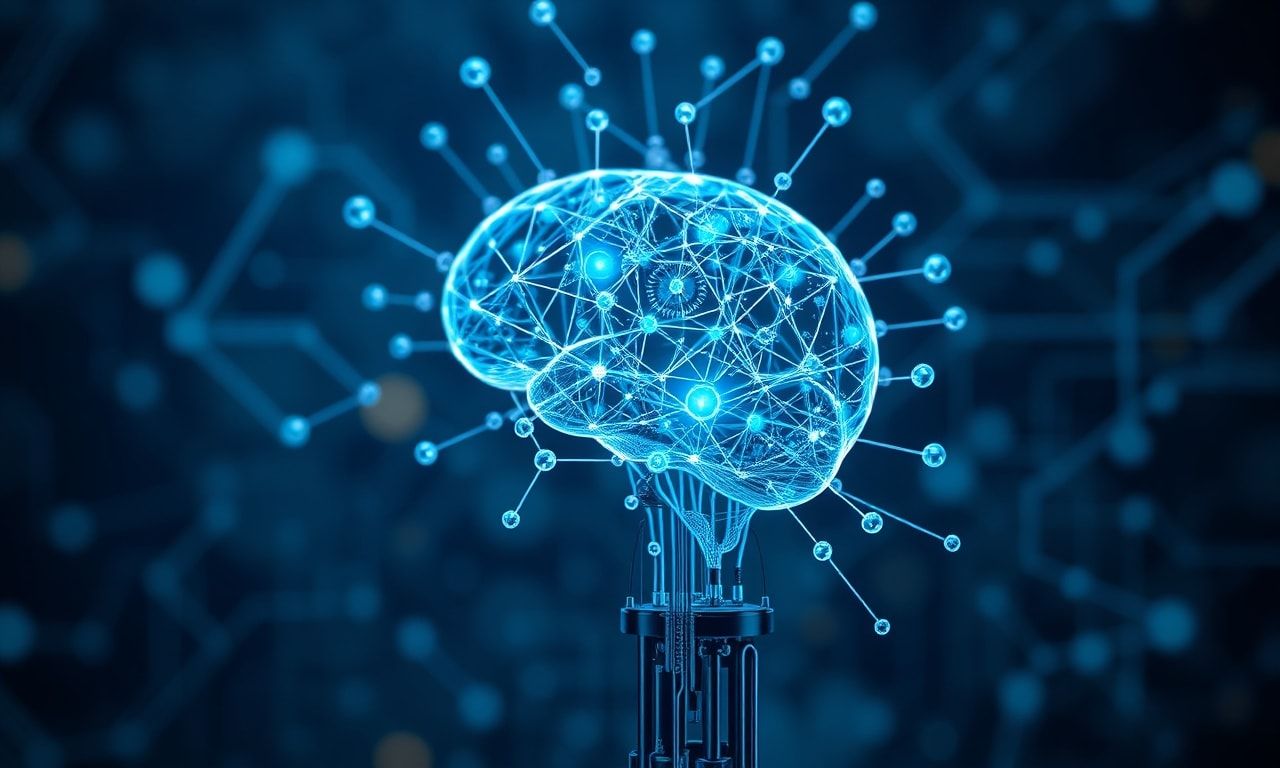
Artificial Intelligence (AI) has emerged as a transformative force in the technology landscape, revolutionizing industries and redefining the way we interact with machines. From its humble beginnings as a theoretical concept in the mid-20th century to its current status as a cornerstone of modern innovation, AI has undergone a remarkable evolution. The journey of AI can be traced back to the 1950s when pioneers like Alan Turing and John McCarthy laid the groundwork for what would become a revolutionary field. Today, AI is ubiquitous, powering everything from virtual assistants like Siri and Alexa to complex algorithms that drive financial markets and healthcare diagnostics.
The Role of AI in Everyday Technology
AI’s integration into everyday technology has made it an indispensable part of our daily lives. One of the most visible applications of AI is in the realm of virtual assistants. These intelligent systems use natural language processing (NLP) to understand and respond to human queries, making tasks such as setting reminders, sending messages, and even controlling smart home devices effortless. Beyond personal assistants, AI is also instrumental in enhancing user experiences on social media platforms. Algorithms powered by AI analyze user behavior to curate personalized content, ensuring that users are presented with information that aligns with their interests. This not only improves user engagement but also drives the growth of these platforms.
In the healthcare sector, AI is making significant strides in diagnostics and treatment. Machine learning algorithms can analyze vast amounts of medical data to identify patterns and predict outcomes with remarkable accuracy. For instance, AI-powered tools can detect early signs of diseases like cancer, enabling timely intervention and improving patient outcomes. Additionally, AI is being used to develop personalized treatment plans, taking into account individual patient data to tailor therapies that are more effective and less invasive. The potential of AI in healthcare is vast, and its continued development promises to revolutionize the way we approach medical care.
AI in Cybersecurity
Cybersecurity is another area where AI is making a substantial impact. As cyber threats become more sophisticated, traditional security measures are often insufficient to protect against advanced attacks. AI provides a proactive approach to cybersecurity by using machine learning to detect anomalies and potential threats in real-time. This allows organizations to respond swiftly to threats, minimizing the risk of data breaches and other security incidents. AI can also automate routine security tasks, freeing up cybersecurity professionals to focus on more complex issues. The integration of AI in cybersecurity is crucial in an era where digital threats are constantly evolving.
The Future of AI
The future of AI is bright and filled with possibilities. As research and development continue to advance, we can expect AI to become even more integrated into our daily lives. One of the most exciting areas of development is in the field of autonomous systems. Self-driving cars, for example, rely on AI to navigate complex environments and make decisions in real-time. The potential for AI to enhance transportation systems is immense, promising to reduce accidents, improve traffic flow, and make travel more efficient. Similarly, AI is poised to revolutionize industries such as manufacturing, logistics, and retail, driving innovation and efficiency.
However, the rapid advancement of AI also raises important ethical and societal questions. As AI systems become more autonomous, issues related to accountability, transparency, and bias become increasingly relevant. It is crucial for developers and policymakers to address these challenges to ensure that AI is used responsibly and ethically. Initiatives such as the interesting facts knowledge guide provide valuable insights into the ethical implications of AI, highlighting the need for ongoing dialogue and regulation.
AI and the Workforce
The impact of AI on the workforce is another critical area of consideration. While AI has the potential to automate many jobs, it also creates new opportunities and enhances productivity. For example, AI can handle repetitive tasks, allowing human workers to focus on more creative and strategic roles. This shift can lead to a more dynamic and innovative workforce. However, it also necessitates a focus on reskilling and upskilling workers to adapt to the changing job market. Governments, educational institutions, and businesses must collaborate to ensure that the workforce is prepared for the future of work in an AI-driven world.
Conclusion
The evolution of AI has been nothing short of remarkable, transforming industries and enhancing our daily lives. From virtual assistants to healthcare diagnostics and cybersecurity, AI’s impact is far-reaching and continues to grow. As we look to the future, it is essential to address the ethical and societal implications of AI to ensure its responsible use. By doing so, we can harness the full potential of AI to create a more efficient, innovative, and equitable world. The journey of AI is far from over, and its continued development promises to bring about even more groundbreaking advancements in the years to come.
As tech professionals, staying informed about financial management is crucial; our guide on smart money strategies can help you make informed decisions in today’s digital economy.
As technology evolves, it’s crucial to understand its impact on our digital lives; explore how emerging tech shapes Gmail accounts in our latest feature.
To stay ahead in the rapidly evolving tech landscape, dive into our latest feature cutting-edge tech innovations that are set to redefine our world.