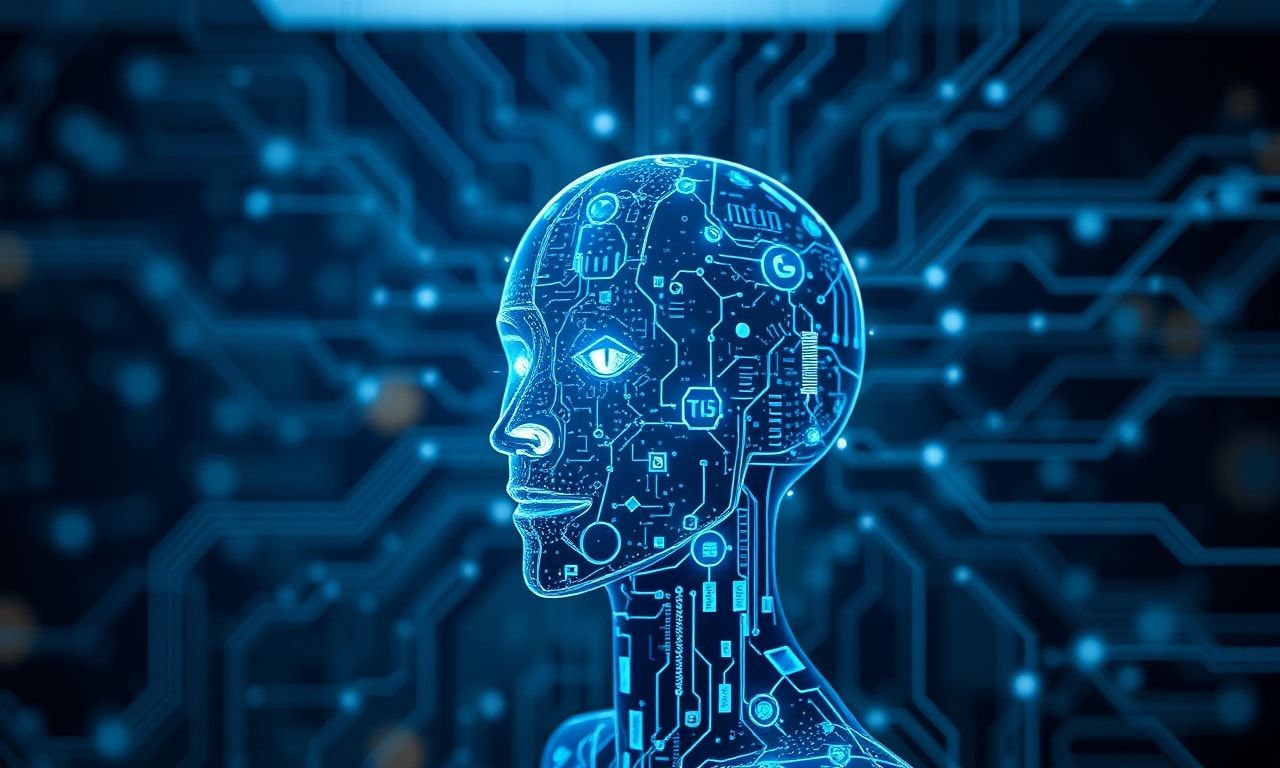
The Intersection of AI and Cybersecurity
The rapid advancement of artificial intelligence (AI) has permeated various sectors, and cybersecurity is no exception. The integration of AI in cybersecurity has revolutionized the way organizations detect, prevent, and respond to cyber threats. This synergy has given rise to a new era of digital defense, where intelligent systems work tirelessly to safeguard sensitive data and critical infrastructure.
AI’s ability to analyze vast amounts of data in real-time has made it an invaluable tool in the fight against cybercrime. Traditional cybersecurity measures often fall short in detecting sophisticated attacks, but AI’s machine learning algorithms can identify patterns and anomalies that human analysts might miss. This proactive approach enables organizations to stay one step ahead of cybercriminals, mitigating potential threats before they can cause significant damage.
The Role of Machine Learning in Threat Detection
Machine learning, a subset of AI, plays a pivotal role in threat detection. By training on historical data, machine learning models can recognize malicious activities and predict future attacks. These models continuously learn and adapt, improving their accuracy over time. This adaptive capability is crucial in an ever-evolving threat landscape, where new types of malware and attack vectors emerge regularly.
For instance, AI-powered antivirus software can detect zero-day exploits by analyzing behavior patterns rather than relying on known signatures. This behavior-based approach allows for the identification of previously unknown threats, providing a robust layer of defense against sophisticated cyber attacks. Additionally, AI can automate the process of threat hunting, reducing the workload on cybersecurity teams and allowing them to focus on more strategic tasks.
Enhancing Incident Response with AI
The speed at which cyber attacks unfold often leaves organizations scrambling to respond effectively. AI can significantly enhance incident response times by automating the detection and containment of threats. AI-driven systems can isolate affected systems, deploy patches, and even initiate countermeasures without human intervention. This rapid response is critical in minimizing the impact of a breach and preventing the spread of malware across the network.
Moreover, AI can provide valuable insights into the root cause of an incident, helping organizations understand how the attack occurred and what measures can be taken to prevent similar incidents in the future. This analytical capability is essential for continuous improvement in cybersecurity strategies and ensuring that organizations are well-prepared to face future threats.
AI in Predictive Cybersecurity
One of the most promising applications of AI in cybersecurity is predictive analytics. By leveraging AI’s ability to analyze historical data and identify trends, organizations can predict potential vulnerabilities and proactively address them before they are exploited. This predictive approach shifts the focus from reactive to proactive cybersecurity, significantly reducing the risk of successful attacks.
For example, AI can predict which systems are most likely to be targeted based on their exposure and historical attack patterns. Organizations can then prioritize the protection of these systems, allocating resources more effectively and ensuring that critical assets are safeguarded. This strategic allocation of resources is crucial in an era where cyber threats are becoming increasingly sophisticated and frequent.
The Importance of Staying Informed
In the fast-paced world of technology, staying informed about the latest developments is essential. Keeping up with the latest trends in AI and cybersecurity can provide valuable insights and help organizations make informed decisions. For instance, keeping an eye on local news coverage update can offer a glimpse into how AI is being utilized in real-world scenarios, providing practical examples of its application in cybersecurity.
Additionally, participating in industry conferences, webinars, and workshops can offer opportunities to learn from experts and network with peers. These events often showcase the latest AI-driven cybersecurity solutions and provide a platform for discussing best practices and emerging threats. Engaging with the cybersecurity community is crucial for staying ahead of the curve and ensuring that organizations are well-equipped to face the challenges of the digital age.
The Future of AI in Cybersecurity
The future of AI in cybersecurity looks promising, with continuous advancements in machine learning and data analytics. As AI technologies become more sophisticated, their applications in cybersecurity will expand, providing even more robust and intelligent defense mechanisms. The integration of AI with other emerging technologies, such as blockchain and quantum computing, could revolutionize the way we approach cybersecurity, offering unprecedented levels of protection and resilience.
However, it is essential to recognize that AI is not a silver bullet. While AI can significantly enhance cybersecurity efforts, it should be used in conjunction with other security measures and best practices. A multi-layered approach to cybersecurity, combining AI with human expertise and traditional security protocols, is crucial for building a comprehensive defense strategy. By leveraging the strengths of AI and addressing its limitations, organizations can create a resilient cybersecurity framework capable of withstanding the evolving threat landscape.