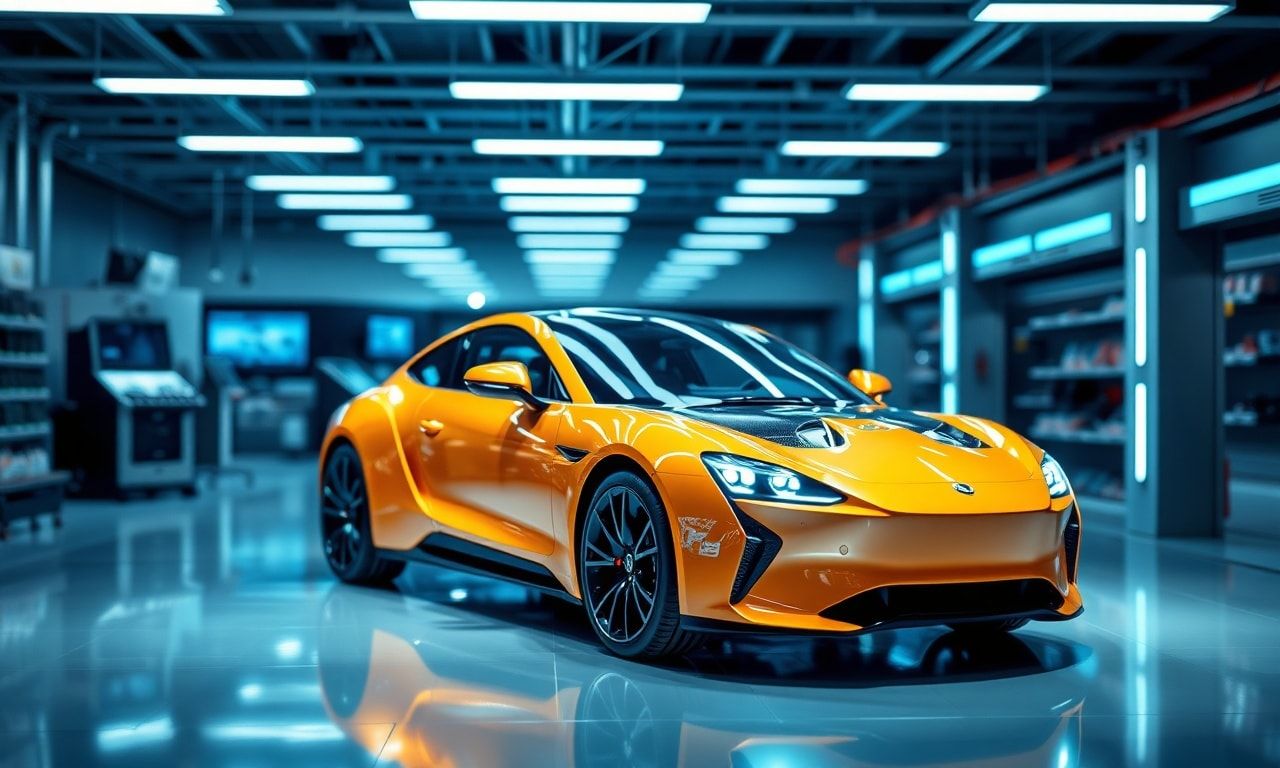
The Evolution of Automotive Technology
The automotive industry has always been at the forefront of technological innovation. From the invention of the internal combustion engine to the development of electric vehicles, the sector has seen significant advancements over the years. As we look ahead to 2026, the pace of innovation shows no signs of slowing down. The integration of advanced technologies into vehicles is set to revolutionize the driving experience, making it safer, more efficient, and more enjoyable.
Key Technological Advancements in 2026
Several key technological advancements are expected to dominate the automotive landscape in 2026. These include:
- Artificial Intelligence (AI) and Machine Learning (ML): AI and ML algorithms will continue to play a crucial role in enhancing vehicle performance and safety. These technologies will enable vehicles to learn from driving patterns, predict maintenance needs, and adapt to different driving conditions.
- Autonomous Driving: The development of fully autonomous vehicles is expected to reach new heights by 2026. Advances in sensor technology, AI, and real-time data processing will make autonomous driving safer and more reliable.
- Connectivity and IoT: The Internet of Things (IoT) will further integrate vehicles into a connected ecosystem. This will enable seamless communication between vehicles, infrastructure, and other devices, enhancing traffic management and safety.
- Electric and Hybrid Powertrains: The shift towards electric and hybrid vehicles will continue to gain momentum. Innovations in battery technology and charging infrastructure will make electric vehicles more accessible and efficient.
- Cybersecurity: As vehicles become more connected, the need for robust cybersecurity measures will be paramount. Advanced encryption and secure communication protocols will be essential to protect against cyber threats.
The Role of AI in Enhancing Vehicle Performance
AI is set to revolutionize the way vehicles operate. By analyzing vast amounts of data from sensors and other sources, AI algorithms can optimize vehicle performance in real-time. For example, AI can adjust engine parameters to improve fuel efficiency, predict maintenance issues before they become critical, and enhance the overall driving experience. Additionally, AI-powered virtual assistants will become more sophisticated, providing drivers with personalized recommendations and assistance.
One notable example of AI integration in vehicles is the Honda Civic tech features and updates for 2026. Honda’s latest models are expected to incorporate advanced AI systems that enhance safety and convenience. These features will include adaptive cruise control, lane-keeping assist, and advanced driver monitoring systems.
Autonomous Driving: The Future is Here
Autonomous driving technology has made significant strides in recent years, and by 2026, we can expect to see fully autonomous vehicles on the roads. These vehicles will rely on a combination of sensors, cameras, and AI algorithms to navigate complex environments safely. The development of high-definition maps and real-time data processing will further enhance the capabilities of autonomous vehicles, making them a viable option for everyday use.
However, the widespread adoption of autonomous vehicles will depend on regulatory frameworks and public acceptance. Manufacturers will need to demonstrate the safety and reliability of these vehicles to gain consumer trust. Additionally, ethical considerations, such as decision-making in accident scenarios, will need to be addressed.
Connectivity and the Internet of Things (IoT)
The integration of IoT technology into vehicles will transform the way we interact with our cars. Connected vehicles will be able to communicate with each other and with infrastructure, such as traffic lights and road signs, to optimize traffic flow and reduce congestion. This connectivity will also enable new services, such as remote diagnostics and over-the-air software updates, enhancing the overall ownership experience.
Moreover, the IoT will facilitate the development of smart cities, where vehicles, infrastructure, and urban systems work together to create a more efficient and sustainable environment. For example, connected vehicles can provide real-time data on traffic conditions, air quality, and parking availability, helping city planners make informed decisions.
Electric and Hybrid Powertrains: The Shift Towards Sustainability
The automotive industry is undergoing a significant shift towards electric and hybrid powertrains. This transition is driven by the need to reduce greenhouse gas emissions and combat climate change. By 2026, we can expect to see a wide range of electric and hybrid vehicles on the market, offering improved performance, range, and affordability.
Advances in battery technology, such as solid-state batteries, will enhance the energy density and safety of electric vehicles. Additionally, the development of fast-charging infrastructure will make electric vehicles more convenient for long-distance travel. Hybrid vehicles, which combine internal combustion engines with electric motors, will also play a crucial role in the transition to sustainable mobility.
Cybersecurity: Protecting Connected Vehicles
As vehicles become more connected, the risk of cyber threats increases. Hackers can potentially gain access to vehicle systems, compromising safety and privacy. To address this challenge, manufacturers are investing in advanced cybersecurity measures, such as encryption, secure communication protocols, and intrusion detection systems.
Additionally, regulatory bodies are developing standards and guidelines to ensure the security of connected vehicles. These measures will help protect against cyber attacks and build consumer confidence in the safety of autonomous and connected vehicles.
Conclusion
The automotive industry is on the cusp of a technological revolution. By 2026, we can expect to see significant advancements in AI, autonomous driving, connectivity, electric powertrains, and cybersecurity. These innovations will transform the driving experience, making it safer, more efficient, and more enjoyable. As the industry continues to evolve, collaboration between manufacturers, regulators, and consumers will be essential to ensure the successful implementation of these technologies.