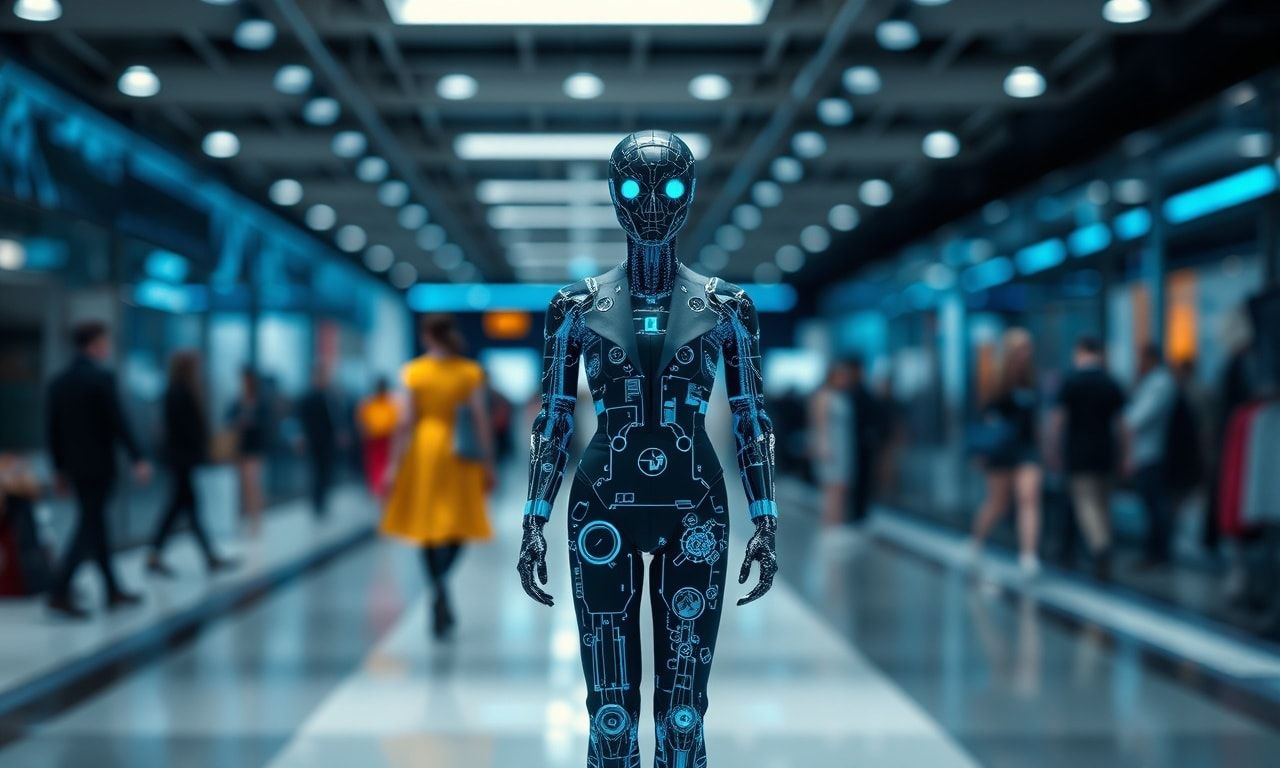
The Intersection of Technology and Fashion
The fashion industry, traditionally known for its creativity and innovation, is undergoing a significant transformation driven by technology. The integration of artificial intelligence (AI), the Internet of Things (IoT), and advanced data analytics is reshaping how fashion brands operate, design, and interact with consumers. This article explores the cutting-edge technologies that are setting new trends in the fashion world and how they are being implemented.
The Role of AI in Fashion
AI is playing a pivotal role in the fashion industry, from design to customer engagement. AI algorithms can analyze vast amounts of data to predict fashion trends, optimize inventory management, and personalize shopping experiences. For instance, AI-powered virtual stylists can offer personalized recommendations based on a customer’s preferences and past purchases. Additionally, AI-driven design tools enable designers to create new patterns and styles by analyzing existing ones and suggesting innovative combinations.
One of the most exciting applications of AI in fashion is the creation of virtual models. These digital avatars can showcase new collections in a virtual environment, reducing the need for physical photo shoots and minimizing environmental impact. AI can also be used to enhance the fit of clothing by analyzing body measurements and suggesting the best sizes and cuts for individual customers. This not only improves customer satisfaction but also reduces return rates for online retailers.
The Impact of IoT on Fashion
The Internet of Things (IoT) is another technology that is revolutionizing the fashion industry. IoT devices can collect and transmit data in real-time, enabling brands to monitor inventory levels, track supply chain logistics, and enhance customer experiences. For example, smart clothing embedded with IoT sensors can monitor vital signs, track fitness levels, and even adjust temperature based on the wearer’s needs. These smart garments are becoming increasingly popular among health-conscious consumers who seek to integrate technology into their daily lives.
IoT is also transforming the retail experience. Smart mirrors in fitting rooms can provide virtual try-on experiences, allowing customers to see how different outfits look without physically changing clothes. These mirrors can also offer styling tips and suggest complementary accessories, enhancing the overall shopping experience. Additionally, IoT-enabled tags on clothing can provide detailed information about the product’s origin, materials, and care instructions, promoting transparency and sustainability in the fashion industry.
The Future of Sustainable Fashion
Sustainability is a growing concern in the fashion industry, and technology is playing a crucial role in promoting eco-friendly practices. AI and IoT can help brands reduce waste by optimizing production processes and improving inventory management. For example, AI algorithms can predict demand more accurately, reducing overproduction and minimizing excess inventory. IoT sensors can monitor energy consumption in factories, helping brands identify areas for improvement and reduce their carbon footprint.
Another innovative approach to sustainable fashion is the use of 3D printing technology. 3D printing allows designers to create intricate and unique designs with minimal waste. This technology also enables on-demand production, reducing the need for large-scale manufacturing and inventory storage. As a result, fashion brands can offer customized, sustainable products that cater to individual customer preferences.
Enhancing Customer Experience with Technology
Technology is also enhancing the customer experience in the fashion industry. Augmented reality (AR) and virtual reality (VR) technologies are being used to create immersive shopping experiences. For example, AR apps allow customers to virtually try on clothes and accessories, providing a realistic preview of how the items will look. VR technology enables customers to explore virtual showrooms and attend fashion shows from the comfort of their homes.
Social media platforms are also leveraging technology to engage fashion enthusiasts. Influencers and brands use AI-powered tools to create engaging content, such as personalized styling videos and interactive polls. These tools help brands connect with their audience on a deeper level, fostering brand loyalty and driving sales. Additionally, AI-driven chatbots provide instant customer support, answering questions and offering recommendations 24/7.
Conclusion
The fashion industry is undergoing a technological revolution, with AI, IoT, and other innovative technologies driving change. From personalized shopping experiences to sustainable practices, technology is reshaping the way fashion brands operate and interact with consumers. As these technologies continue to evolve, the fashion industry will likely see even more exciting developments, paving the way for a more efficient, sustainable, and customer-centric future. For those looking to stay ahead of the curve, exploring resources like Tipps für Abendkleider 2026 can provide valuable insights into the latest trends and innovations in fashion tech.
Discover how tech meets the track in our latest feature, athleisure and innovation, exploring the cutting-edge fusion of sportswear and technology.
In the ever-evolving world of tech and AI, adaptability is key; discover how to navigate life’s changes effectively with our insightful guide.
In a world where technology and tradition intersect, explore how kimono fashion has embraced innovation in modern kimono design techniques.