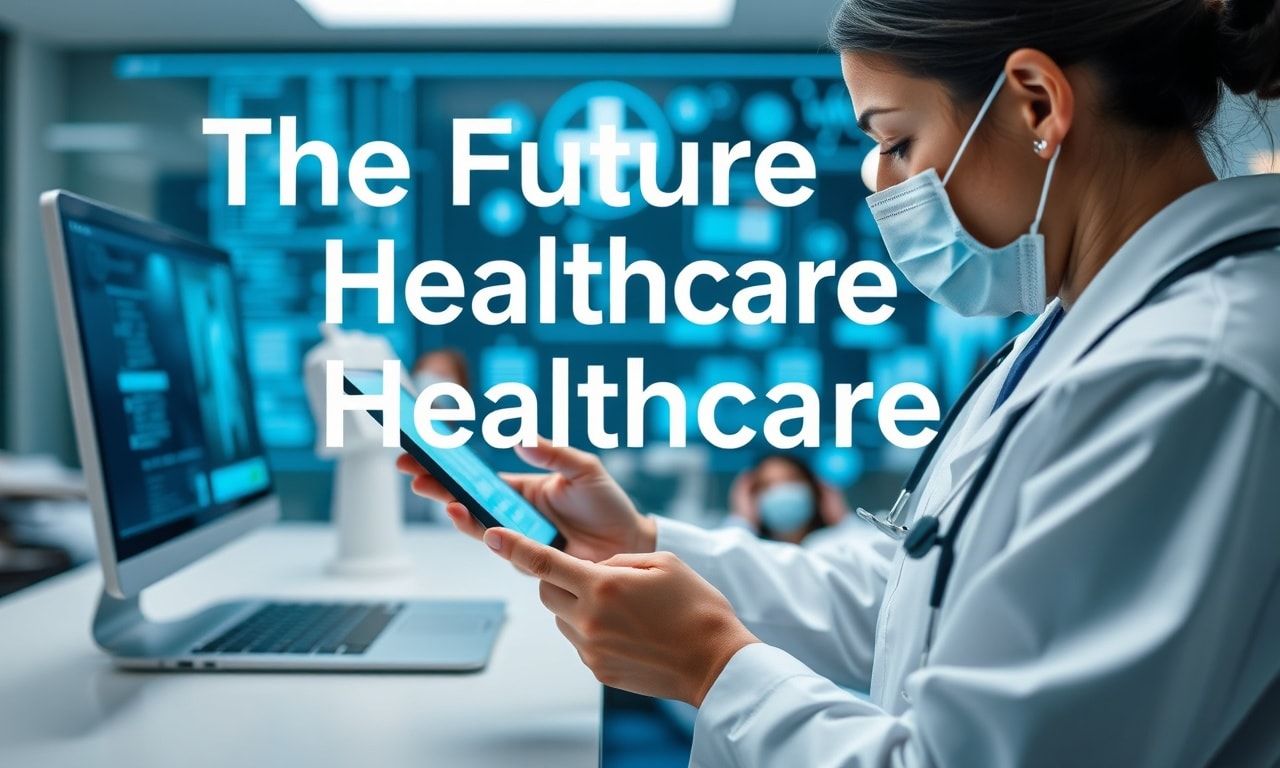
The Intersection of Technology and Healthcare
The healthcare industry is undergoing a profound transformation, driven by rapid advancements in technology. From artificial intelligence (AI) to the Internet of Things (IoT), innovative solutions are enhancing patient care, improving operational efficiency, and reducing costs. This article explores the cutting-edge technologies that are reshaping the healthcare landscape, with a particular focus on how these innovations are being implemented in leading healthcare institutions, such as those providing Stockholm hospital healthcare services.
The Role of Artificial Intelligence in Healthcare
Artificial Intelligence is at the forefront of the technological revolution in healthcare. AI algorithms are being used to analyze vast amounts of medical data, enabling early detection of diseases, personalized treatment plans, and predictive analytics. For instance, AI-powered diagnostic tools can identify patterns in medical images that may be missed by human eyes, leading to more accurate and timely diagnoses.
Moreover, AI chatbots and virtual health assistants are providing round-the-clock support to patients, answering queries, and offering medical advice. These tools not only enhance patient engagement but also alleviate the workload on healthcare professionals, allowing them to focus on more complex cases.
AI in Drug Discovery and Development
One of the most promising applications of AI in healthcare is in the field of drug discovery and development. AI algorithms can analyze biological data to identify potential drug candidates, simulate their interactions with the human body, and predict their efficacy. This accelerates the drug development process, reducing the time and cost associated with bringing new treatments to market.
For example, AI has been instrumental in the rapid development of vaccines and treatments for COVID-19. By leveraging AI, researchers were able to analyze vast datasets and identify potential therapeutic targets, significantly speeding up the development process.
The Internet of Things (IoT) in Healthcare
The Internet of Things (IoT) is another technology that is transforming healthcare. IoT devices, such as wearable sensors and remote monitoring systems, are enabling real-time tracking of patient health metrics. These devices can monitor vital signs, detect anomalies, and alert healthcare providers to potential issues before they become critical.
For instance, wearable IoT devices can track heart rate, blood pressure, and glucose levels, providing valuable data that can be used to manage chronic conditions like diabetes and hypertension. This continuous monitoring allows for early intervention and personalized treatment plans, improving patient outcomes.
IoT in Hospital Management
IoT is also revolutionizing hospital management. Smart hospital systems use IoT devices to monitor equipment, manage inventory, and optimize workflows. For example, smart beds can adjust to the patient’s needs and alert staff to potential issues, while smart infusion pumps can track medication administration and ensure accurate dosing.
Additionally, IoT-enabled asset tracking systems can help hospitals manage their equipment more efficiently, reducing costs and improving patient care. By leveraging IoT, hospitals can create a more connected and efficient environment, enhancing the overall patient experience.
The Impact of Big Data and Analytics
Big Data and analytics are playing a crucial role in the transformation of healthcare. By analyzing large datasets, healthcare providers can identify trends, predict patient outcomes, and make data-driven decisions. This not only improves the quality of care but also enhances operational efficiency.
For example, predictive analytics can be used to identify patients at risk of readmission, allowing healthcare providers to intervene proactively. Similarly, data analytics can be used to optimize staffing levels, reduce wait times, and improve resource allocation.
Data Security and Privacy
While Big Data and analytics offer numerous benefits, they also raise concerns about data security and privacy. Healthcare providers must ensure that patient data is protected from unauthorized access and cyber threats. This requires robust cybersecurity measures, such as encryption, access controls, and regular security audits.
Moreover, healthcare providers must comply with regulations like the Health Insurance Portability and Accountability Act (HIPAA) and the General Data Protection Regulation (GDPR) to ensure patient data privacy. By implementing strong security measures, healthcare providers can protect patient data and maintain trust.
The Future of Healthcare Technology
The future of healthcare technology is bright, with numerous innovations on the horizon. From AI-powered diagnostics to IoT-enabled remote monitoring, these technologies are revolutionizing patient care and improving outcomes. As healthcare providers continue to adopt these technologies, we can expect to see even greater advancements in the years to come.
For instance, the integration of AI and IoT is paving the way for smart hospitals, where devices and systems are interconnected, enabling seamless data exchange and real-time decision-making. This not only enhances patient care but also improves operational efficiency and reduces costs.
Furthermore, the use of blockchain technology is being explored to secure patient data and ensure its integrity. Blockchain can provide a decentralized and immutable ledger, making it difficult for unauthorized parties to alter or access patient data. This can enhance data security and privacy, ensuring that patient information is protected.
Conclusion
In conclusion, technology is playing a pivotal role in the transformation of healthcare. From AI and IoT to Big Data and analytics, these innovations are enhancing patient care, improving operational efficiency, and reducing costs. As healthcare providers continue to adopt these technologies, we can expect to see even greater advancements in the future. By leveraging these technologies, healthcare providers can create a more connected, efficient, and patient-centric environment, ultimately improving outcomes and enhancing the overall patient experience.
To stay updated on the latest tech happenings, dive into our weekend tech event roundup featuring innovations and breakthroughs in AI and cybersecurity.
As technology continues to reshape the investment landscape, our latest feature exploring tech investment trends offers a comprehensive guide to navigating this dynamic field.