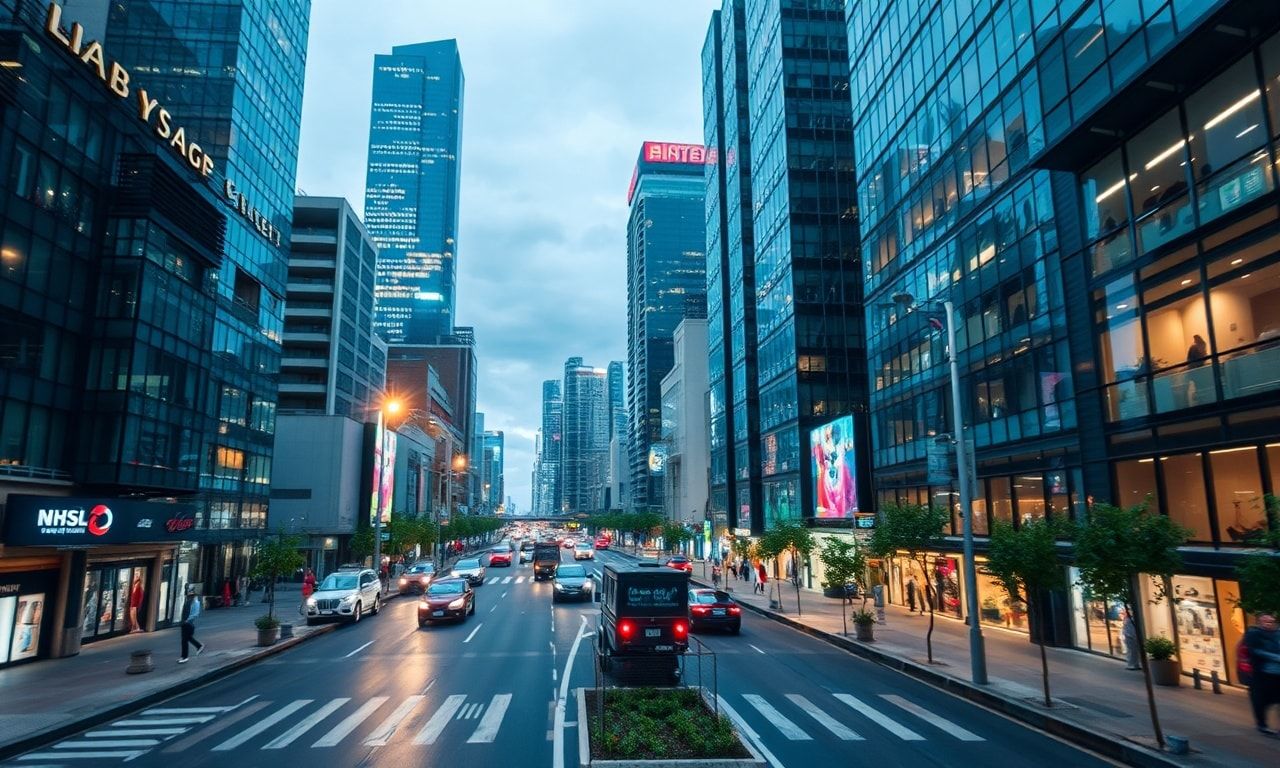
The Evolution of Smart Cities
Smart cities are no longer a concept of the distant future but a reality that is unfolding right before our eyes. The integration of advanced technologies such as Artificial Intelligence (AI) and the Internet of Things (IoT) is transforming urban landscapes into efficient, sustainable, and livable spaces. These innovations are not just enhancing the quality of life for residents but also optimizing city management and resource utilization.
The Role of AI in Smart Cities
AI is at the heart of smart city initiatives, enabling cities to collect, analyze, and act on vast amounts of data in real-time. From traffic management to waste disposal, AI algorithms are being deployed to streamline operations and improve service delivery. For instance, AI-powered traffic lights can adjust signal timings based on real-time traffic conditions, reducing congestion and commuting times. Similarly, AI-driven predictive maintenance systems can identify potential infrastructure issues before they escalate, saving cities millions in repair costs.
AI is also revolutionizing public safety. Intelligent surveillance systems equipped with facial recognition and behavioral analysis capabilities can help law enforcement agencies detect and prevent criminal activities. These systems, however, must be implemented with robust privacy safeguards to ensure that they do not infringe on the rights of citizens. Cities like Helsinki have been at the forefront of this technological revolution, as reported by helsingin uutiset kaupunginhalli, showcasing how AI can be integrated into public spaces to enhance urban living.
The Internet of Things (IoT) and Urban Connectivity
The IoT is the backbone of smart cities, connecting various devices and systems to create a seamless urban ecosystem. Sensors embedded in roads, buildings, and public utilities collect data that is used to monitor and manage city infrastructure. For example, smart meters can track energy consumption patterns, allowing utility companies to optimize power distribution and reduce wastage. Similarly, IoT-enabled waste management systems can monitor waste levels in bins and optimize collection routes, leading to more efficient waste disposal.
IoT devices are also enhancing the living experience for residents. Smart homes equipped with IoT devices can automate various tasks, from adjusting room temperatures to managing security systems. These devices can be controlled remotely via smartphones, providing residents with greater convenience and control over their living environments. The integration of IoT with other technologies like AI and big data analytics is paving the way for even more sophisticated applications, such as smart grids that can balance energy supply and demand in real-time.
Challenges and Considerations
While the benefits of smart cities are manifold, there are also significant challenges that need to be addressed. One of the primary concerns is data security and privacy. With the vast amount of data being collected and analyzed, cities must implement robust cybersecurity measures to protect sensitive information from cyber threats. This includes encrypting data, using secure communication protocols, and regularly updating security systems to stay ahead of potential vulnerabilities.
Another challenge is the interoperability of different systems and devices. As smart cities integrate a diverse range of technologies, ensuring that these systems can communicate and work together seamlessly is crucial. Standardization of protocols and the development of open platforms can help overcome this challenge, enabling different systems to interact and share data effectively.
The Future of Smart Cities
The future of smart cities is bright, with continuous advancements in AI, IoT, and other emerging technologies. As cities become more connected and intelligent, they will be better equipped to address the challenges of urbanization, climate change, and resource scarcity. The integration of these technologies will not only improve the quality of life for residents but also create new opportunities for economic growth and innovation.
In conclusion, the transformation of cities into smart urban centers is a complex but necessary endeavor. By leveraging the power of AI and IoT, cities can become more efficient, sustainable, and livable. However, it is essential to address the challenges of data security, interoperability, and privacy to ensure that these technologies are implemented responsibly and ethically. As we move towards a future where technology and urban living are inextricably linked, the potential for creating smarter, more resilient cities is limitless.
As technology continues to reshape industries, understanding how education adapts to these changes is crucial; explore the evolving landscape in technology’s role in education.
Discover how Finland’s libraries are embracing digital transformation with innovative tech solutions in Finland’s libraries lead digital shift, a fascinating look at integrating cutting-edge software and AI into traditional spaces.
If you’re looking to merge your passion for tech with cultural experiences, explore Liverpool’s dynamic cultural scene and discover how innovation intersects with art and history.