The Evolution of Smart Homes
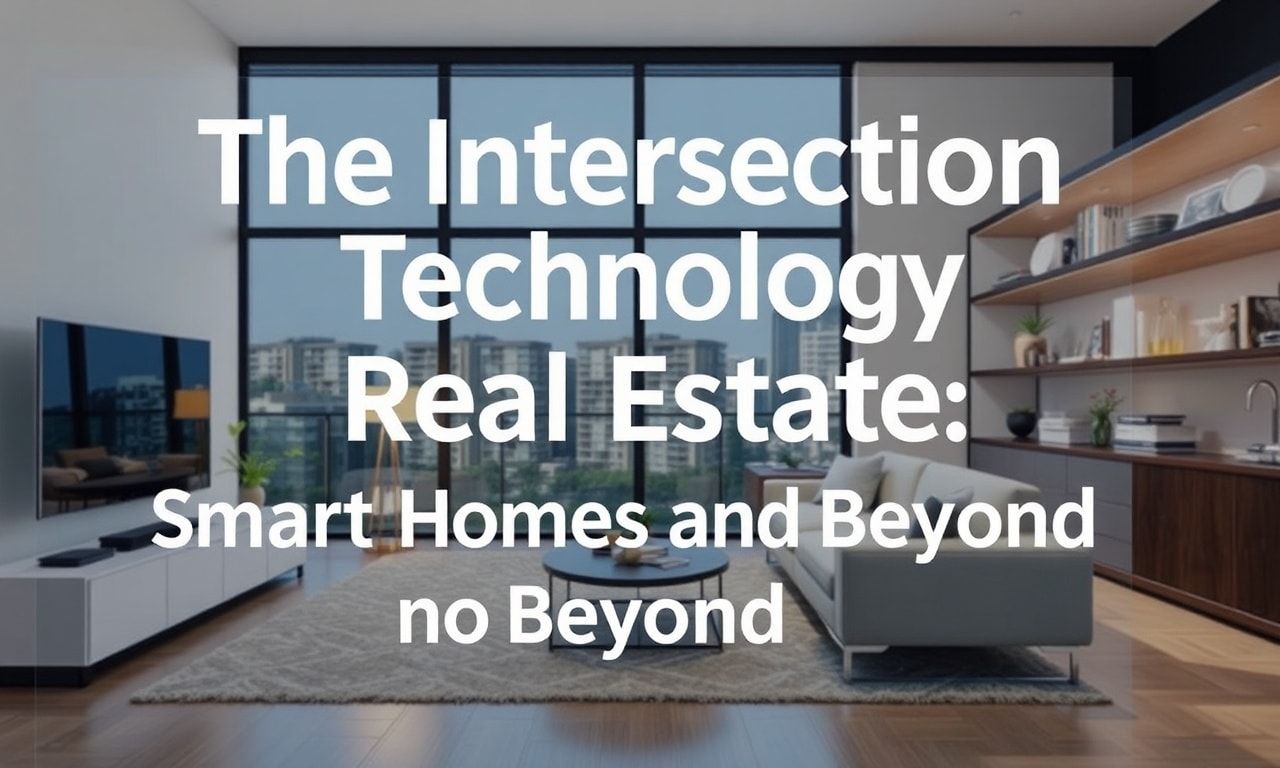
The real estate market is undergoing a significant transformation, driven by technological advancements. Smart homes, once a futuristic concept, are now becoming a standard feature in modern housing. These homes integrate various technologies to enhance comfort, security, and energy efficiency. From automated lighting and temperature control to advanced security systems, smart homes are redefining the way we live.
One of the key drivers of this transformation is the Internet of Things (IoT). IoT devices enable seamless communication between different home systems, allowing homeowners to control their environments remotely. This integration not only improves convenience but also enhances the overall value of properties. As a result, the demand for smart homes is on the rise, particularly in urban areas where technology adoption is rapid.
For instance, in cities like Moscow, the integration of smart home technologies has become a significant factor in the Russia housing market rent prices. Landlords and property developers are increasingly investing in smart home features to attract tech-savvy tenants and command higher rental prices. This trend highlights the growing importance of technology in the real estate sector.
The Role of AI in Real Estate
Artificial Intelligence (AI) is another technological innovation that is revolutionizing the real estate industry. AI-powered algorithms are being used to analyze market trends, predict property values, and identify investment opportunities. These algorithms can process vast amounts of data, providing insights that were previously unavailable.
AI is also enhancing the customer experience in real estate. Virtual assistants and chatbots are being used to answer customer queries, schedule property viewings, and provide personalized recommendations. These tools not only improve efficiency but also help real estate agents focus on more strategic tasks. Additionally, AI-driven analytics can help agents identify potential buyers or renters more accurately, leading to faster and more successful transactions.
Moreover, AI is playing a crucial role in property management. Automated systems can monitor and maintain properties, ensuring that issues are addressed promptly. This proactive approach can significantly reduce maintenance costs and improve tenant satisfaction. As AI continues to evolve, its impact on the real estate industry is expected to grow, further integrating technology into the fabric of property management and development.
The Impact of Cybersecurity on Real Estate Technology
As the real estate industry becomes more digitized, the importance of cybersecurity cannot be overstated. Smart homes and other technological innovations collect and store vast amounts of sensitive data, making them attractive targets for cybercriminals. Ensuring the security of this data is crucial for protecting both property owners and tenants.
Cybersecurity measures such as encryption, multi-factor authentication, and regular software updates are essential for safeguarding smart home systems. Property developers and managers must prioritize these measures to prevent data breaches and ensure the safety of their residents. Additionally, educating homeowners and tenants about cybersecurity best practices can help mitigate risks and promote a culture of security awareness.
Furthermore, the integration of blockchain technology is emerging as a promising solution for enhancing cybersecurity in real estate. Blockchain’s decentralized nature makes it highly resistant to tampering, providing a secure platform for storing and transferring property data. This technology can also streamline transactions, reducing the need for intermediaries and speeding up the buying and selling process. As blockchain continues to gain traction, its potential to revolutionize real estate transactions and data security is immense.
The Future of Real Estate Technology
The future of real estate technology is bright, with numerous innovations on the horizon. Virtual and augmented reality (VR/AR) technologies are already being used to provide immersive property tours, allowing potential buyers to explore properties remotely. This technology can enhance the buying experience, making it more engaging and informative.
Additionally, the development of sustainable and energy-efficient technologies is set to transform the real estate market. Smart grids, solar panels, and energy storage systems are becoming increasingly popular, as homeowners seek to reduce their carbon footprint and lower energy costs. These technologies not only benefit the environment but also increase the value of properties, making them more attractive to eco-conscious buyers and renters.
As technology continues to evolve, the real estate industry will undoubtedly undergo further transformations. The integration of AI, IoT, cybersecurity, and sustainable technologies will shape the future of real estate, creating new opportunities and challenges for industry stakeholders. Embracing these innovations will be key to staying competitive and meeting the evolving needs of modern consumers.
Conclusion
The intersection of technology and real estate is a dynamic and rapidly evolving field. From smart homes to AI-driven analytics and cybersecurity measures, technological advancements are reshaping the way we buy, sell, and manage properties. The impact of these innovations is evident in various aspects of the real estate market, from rental prices to property values and tenant satisfaction.
As we look to the future, the continued integration of technology into the real estate sector will undoubtedly bring about further changes. Embracing these innovations and prioritizing cybersecurity will be crucial for industry stakeholders to thrive in this ever-evolving landscape. By leveraging the power of technology, the real estate industry can create more efficient, secure, and sustainable solutions for the benefit of all.
To understand how technology is revolutionizing sports in India, delve into India’s sports tech advancements and its comprehensive approach.
Discover how cutting-edge technologies are transforming our lives with our in-depth look at today’s groundbreaking tech advancements.
Discover how tech innovations are transforming local communities in our latest feature, tech’s impact on community activities, where we delve into the intersection of software, AI, and local engagement.