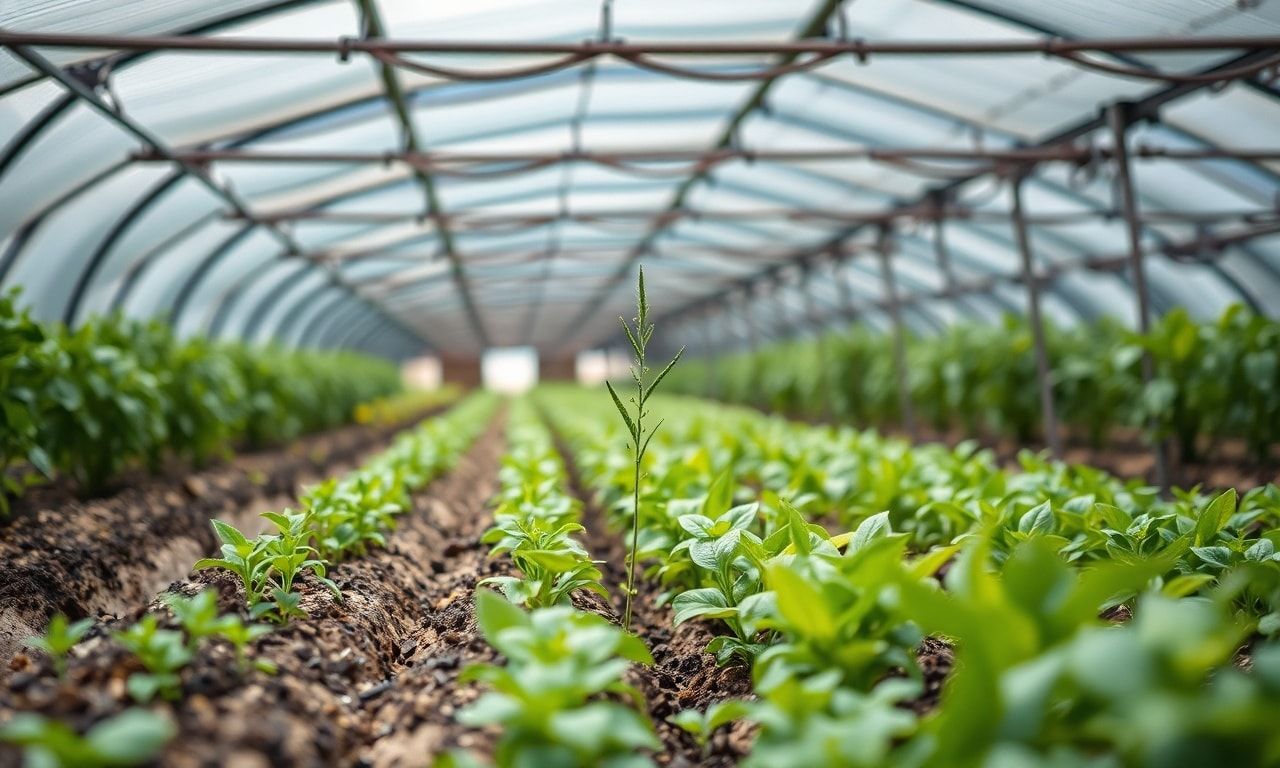
The Convergence of Tech and Agriculture
The world of technology is constantly evolving, pushing the boundaries of what we thought was possible. One of the most exciting areas of innovation is the intersection of technology and sustainable agriculture. As the global population grows, the demand for food increases, and traditional farming methods may not be sufficient to meet this demand. This is where technology steps in, offering solutions that can revolutionize the way we grow and produce food.
The Role of Technology in Modern Farming
Technology has already made significant strides in the field of agriculture. Precision farming, for instance, uses GPS technology and data analytics to optimize crop yields and reduce waste. Drones and satellites provide real-time data on crop health and soil conditions, allowing farmers to make informed decisions. Moreover, the Internet of Things (IoT) enables the creation of smart farms where sensors monitor and control various aspects of farming, from irrigation to pest control.
One such innovative approach is chia seed farming for economic empowerment. Chia seeds, known for their nutritional benefits, can be cultivated using advanced farming techniques that ensure high yields and sustainability. By leveraging technology, farmers can monitor soil moisture, nutrient levels, and other critical factors to optimize chia seed production. This not only enhances economic opportunities but also promotes sustainable agricultural practices.
The Impact of Artificial Intelligence
Artificial Intelligence (AI) is another game-changer in the realm of agriculture. AI algorithms can analyze vast amounts of data to predict weather patterns, identify diseases in crops, and even recommend the best times for planting and harvesting. Machine learning models can be trained to recognize patterns and anomalies in crop health, enabling early detection of pests and diseases. This proactive approach can significantly reduce crop losses and improve overall farm productivity.
AI-powered robots and autonomous vehicles are also being developed to perform tasks such as planting, weeding, and harvesting. These machines can operate 24/7, reducing the need for manual labor and increasing efficiency. The integration of AI in agriculture is not just about increasing yields; it’s about creating a more sustainable and resilient food system.
Cybersecurity in Agricultural Technology
As agriculture becomes more technologically advanced, the need for robust cybersecurity measures becomes paramount. Smart farms rely on interconnected systems that collect and transmit sensitive data. This data can include information about soil conditions, crop health, and even financial transactions. Protecting this data from cyber threats is crucial to ensuring the smooth operation of agricultural technologies.
Cybersecurity in agriculture involves implementing secure networks, encrypting data, and using advanced threat detection systems. Farmers and agricultural companies must be vigilant about potential cyber threats and invest in robust security solutions. By doing so, they can safeguard their operations and ensure the integrity of their data.
The Future of Tech-Driven Agriculture
The future of agriculture lies in the continued integration of technology. Emerging technologies such as blockchain can be used to create transparent and traceable supply chains, ensuring food safety and quality. Vertical farming, which involves growing crops in stacked layers, can be optimized using advanced lighting and climate control systems. These innovations not only address the challenges of urbanization and climate change but also pave the way for a more sustainable future.
In conclusion, the intersection of technology and agriculture presents a wealth of opportunities for innovation and growth. By leveraging advanced technologies, we can create a more efficient, sustainable, and resilient food system. The journey has just begun, and the possibilities are endless.
You may also find The Intersection of Agriculture and Technology: helpful as it covers related aspects of this subject.