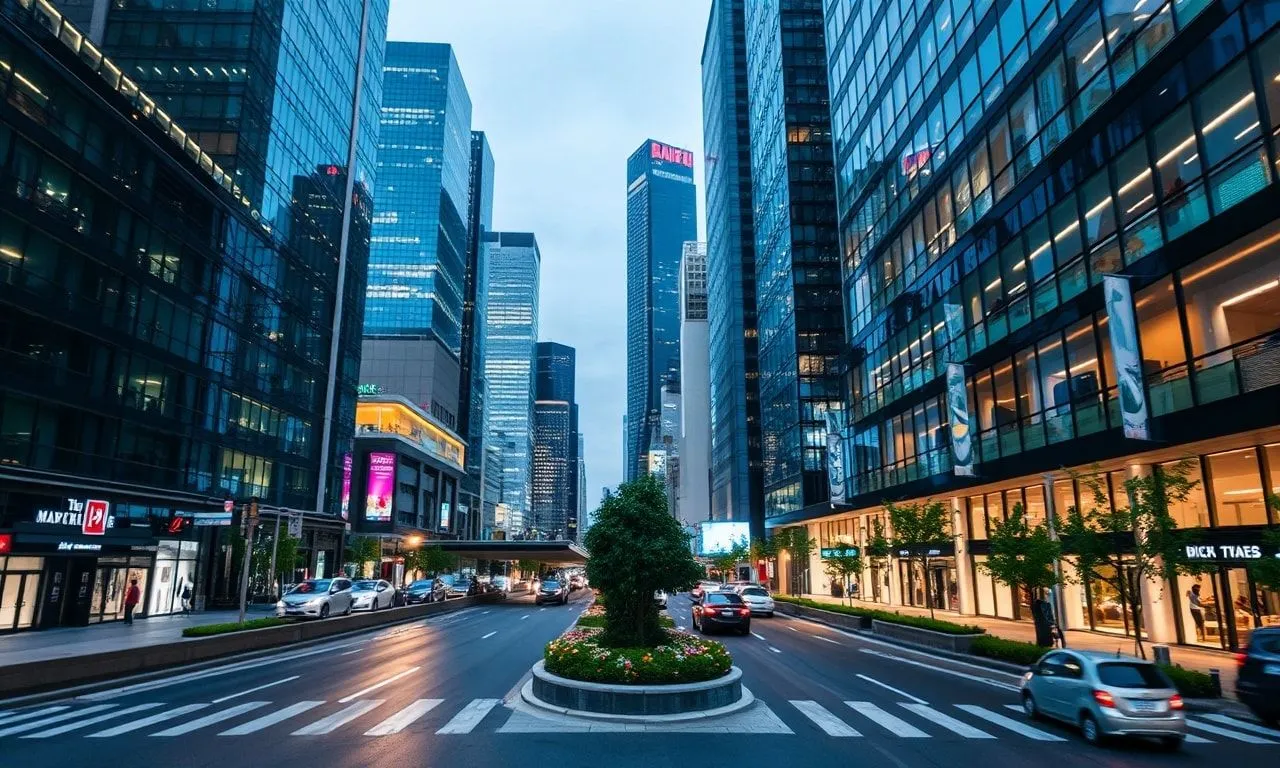
The Evolution of Smart Cities
The concept of smart cities has been gaining traction over the past decade, driven by rapid advancements in technology and the increasing need for sustainable urban development. Smart cities leverage data and technology to improve the quality of life for their residents, enhance urban services, and promote economic growth. From intelligent traffic management systems to energy-efficient buildings, the integration of technology into urban infrastructure is transforming the way we live.
The Role of IoT in Smart Cities
The Internet of Things (IoT) plays a pivotal role in the development of smart cities. IoT devices collect and exchange data, enabling city planners and administrators to make informed decisions. For instance, smart sensors can monitor air quality, waste management, and traffic patterns, providing real-time data that can be used to optimize city services. The deployment of IoT devices in urban areas is not only improving efficiency but also enhancing the overall livability of cities.
In cities like Utrecht, the integration of IoT technology has led to significant improvements in urban living. For example, the use of smart sensors has helped in managing huurprijzen utrecht per wijk by providing data on demand and availability, which in turn helps in setting fair rental prices. This data-driven approach ensures that housing policies are aligned with the needs of the residents, fostering a more equitable and sustainable urban environment.
Key Applications of IoT in Urban Areas
The applications of IoT in urban areas are vast and varied. Some of the key areas include:
- Smart Traffic Management: IoT-enabled traffic lights and sensors can dynamically adjust to traffic conditions, reducing congestion and improving commute times.
- Waste Management: Smart bins equipped with sensors can alert waste management services when they are full, optimizing collection routes and reducing operational costs.
- Energy Efficiency: IoT devices can monitor energy consumption in buildings, identifying areas where energy can be saved and promoting sustainable practices.
- Public Safety: IoT sensors can detect unusual activities or hazards, such as gas leaks or fires, and alert authorities in real-time, enhancing public safety.
The Impact of AI on Urban Planning
Artificial Intelligence (AI) is another technology that is revolutionizing urban planning. AI algorithms can analyze vast amounts of data to predict trends, identify patterns, and provide actionable insights. For instance, AI can be used to predict population growth, forecast demand for housing and public services, and optimize the allocation of resources. This predictive capability is crucial for urban planners who need to make long-term decisions that will shape the future of cities.
AI is also being used to enhance public transportation systems. Intelligent algorithms can analyze traffic patterns and passenger data to optimize routes and schedules, reducing wait times and improving the overall efficiency of public transit. Additionally, AI-powered chatbots and virtual assistants are being deployed to provide residents with real-time information and assistance, further enhancing the quality of urban services.
Challenges and Considerations
While the integration of technology into urban infrastructure offers numerous benefits, it also presents several challenges. One of the primary concerns is data privacy and security. The collection and analysis of vast amounts of data raise questions about how this information is stored, who has access to it, and how it is protected. Ensuring the security of this data is crucial to maintaining public trust and ensuring the success of smart city initiatives.
Another challenge is the need for robust infrastructure to support these technologies. The deployment of IoT devices and AI systems requires a reliable and high-speed internet connection, as well as the necessary hardware and software to process and analyze data. Cities must invest in upgrading their infrastructure to support these technologies and ensure they can scale as demand grows.
The Future of Smart Cities
The future of smart cities is bright, with advancements in technology continuing to drive innovation and improve urban living. As cities become more connected and data-driven, the potential for improving quality of life, enhancing sustainability, and promoting economic growth is immense. However, realizing this potential requires collaboration between city planners, technology providers, and residents to ensure that these technologies are deployed effectively and ethically.
In conclusion, the integration of technology into urban infrastructure is transforming the way we live, work, and interact with our cities. From IoT devices that optimize city services to AI algorithms that predict trends and enhance public transportation, the possibilities are endless. As we continue to explore and develop these technologies, we must also address the challenges they present to ensure that smart cities are inclusive, sustainable, and beneficial for all residents.
Dive into the latest advancements shaping our digital landscape with our feature on cutting-edge tech transformations, covering everything from AI to cybersecurity.
To complement your tech-savvy lifestyle, discover Asian cuisine adventures at home, where innovation meets tradition in your kitchen.
Innovations in technology are reshaping traditional sectors, and our latest piece, sustainable farming through tech, delves into how AI and software are driving progress in agriculture and rural development.