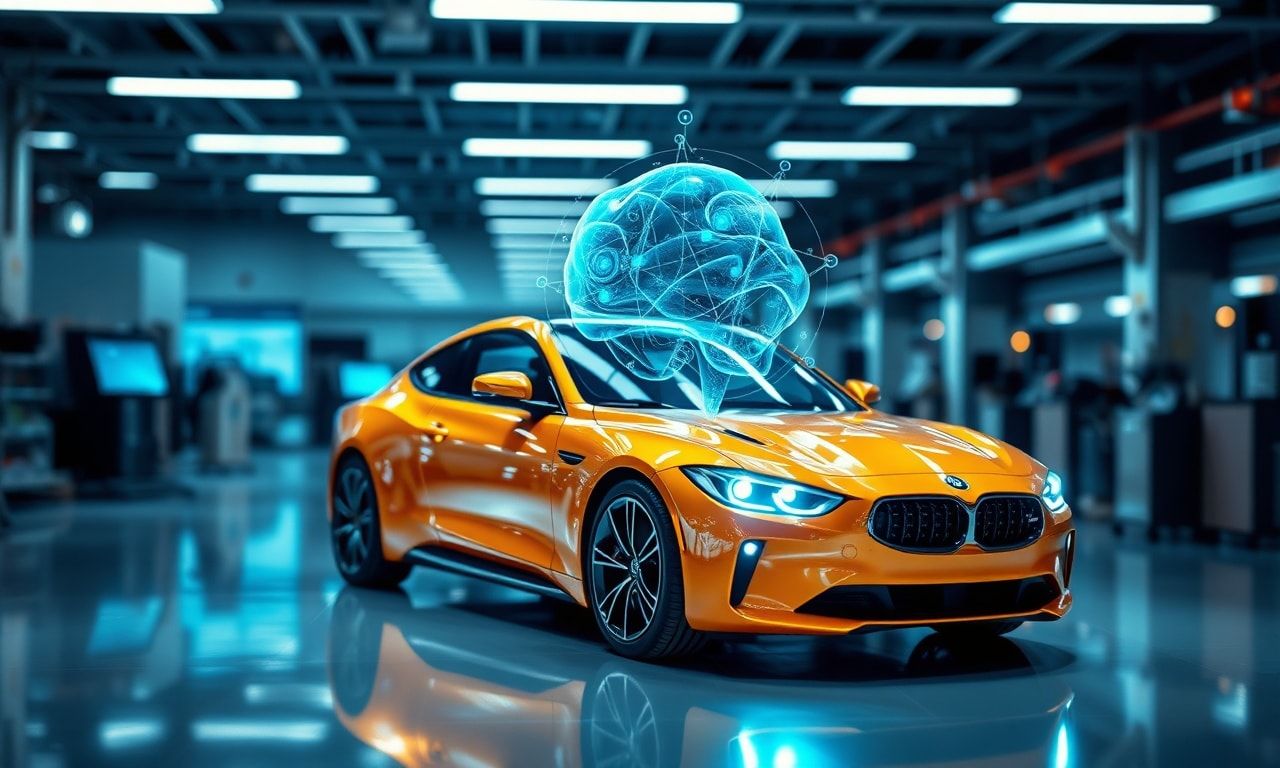
The Evolution of Automotive Technology
The automotive industry has witnessed a remarkable transformation over the past few decades, driven by rapid advancements in technology. From the introduction of electric vehicles to the development of autonomous driving systems, the landscape of automotive technology is evolving at an unprecedented pace. This evolution is not only enhancing the driving experience but also paving the way for a more sustainable and efficient future.
The Role of Artificial Intelligence in Modern Vehicles
Artificial Intelligence (AI) has emerged as a game-changer in the automotive sector. AI algorithms are being integrated into various aspects of vehicle design and functionality, from predictive maintenance to advanced driver-assistance systems (ADAS). These systems leverage machine learning and data analytics to improve safety, efficiency, and overall performance. For instance, AI-powered cameras and sensors can detect potential hazards on the road, providing drivers with real-time alerts and assistance.
Enhancing Safety with AI
One of the most significant impacts of AI in the automotive industry is the enhancement of safety features. AI-driven systems can analyze vast amounts of data from sensors and cameras to identify potential risks and take corrective actions. This includes features like automatic emergency braking, lane-keeping assist, and adaptive cruise control. These technologies not only reduce the likelihood of accidents but also minimize the severity of collisions when they do occur.
Optimizing Performance with AI
AI is also playing a crucial role in optimizing vehicle performance. By analyzing driving patterns and environmental conditions, AI algorithms can adjust engine parameters, transmission settings, and other critical components to maximize efficiency and performance. This not only improves fuel economy but also enhances the overall driving experience. For example, AI can help drivers maintain optimal speed and reduce fuel consumption, as highlighted in the Honda Accord driving in straight roads tips.
The Future of Autonomous Vehicles
The ultimate goal of automotive technology is to achieve full autonomy, where vehicles can operate without human intervention. While we are still some way off from this reality, significant progress has been made in developing autonomous driving systems. Companies like Tesla, Waymo, and Honda are at the forefront of this revolution, investing heavily in research and development to bring fully autonomous vehicles to market.
Challenges and Opportunities
The path to full autonomy is fraught with challenges, including regulatory hurdles, ethical considerations, and technical limitations. However, the opportunities are immense. Autonomous vehicles have the potential to revolutionize transportation, reducing traffic congestion, improving road safety, and providing mobility solutions for those who cannot drive. The integration of AI and other advanced technologies will be key to overcoming these challenges and realizing the full potential of autonomous vehicles.
The Impact of AI on Cybersecurity in the Automotive Industry
As vehicles become more connected and reliant on AI, the importance of cybersecurity cannot be overstated. The increasing use of software and data in modern vehicles creates new vulnerabilities that can be exploited by cybercriminals. Ensuring the security of these systems is crucial to protecting both the vehicles and their occupants. AI can play a dual role in this context, not only as a potential target for cyberattacks but also as a tool for enhancing cybersecurity.
AI-Driven Cybersecurity Solutions
AI can be used to detect and mitigate cyber threats in real-time. Machine learning algorithms can analyze network traffic and identify anomalous behavior that may indicate a cyberattack. By leveraging AI, automotive manufacturers can develop proactive security measures that adapt to emerging threats and protect vehicles from potential breaches. This includes the use of encryption, intrusion detection systems, and secure software updates.
Conclusion
The intersection of automotive technology and AI is reshaping the future of transportation. From enhancing safety and performance to paving the way for autonomous vehicles, AI is driving innovation in the automotive industry. As we continue to explore the possibilities of AI and other advanced technologies, the potential for transformative change is immense. The future of automotive technology is bright, and AI will undoubtedly play a central role in shaping this exciting new era.
As tech professionals, understanding the mental health impacts of daily commutes is crucial, especially with the rise of remote work; discover strategies for a healthier journey in our latest article.
As AI continues to revolutionize industries, our latest feature, AI in automotive advancements, explores its transformative impact on automotive technology.
Curious about how technology is reshaping our daily lives? Dive into cutting-edge innovations transforming routines for a comprehensive look at the latest advancements in tech.