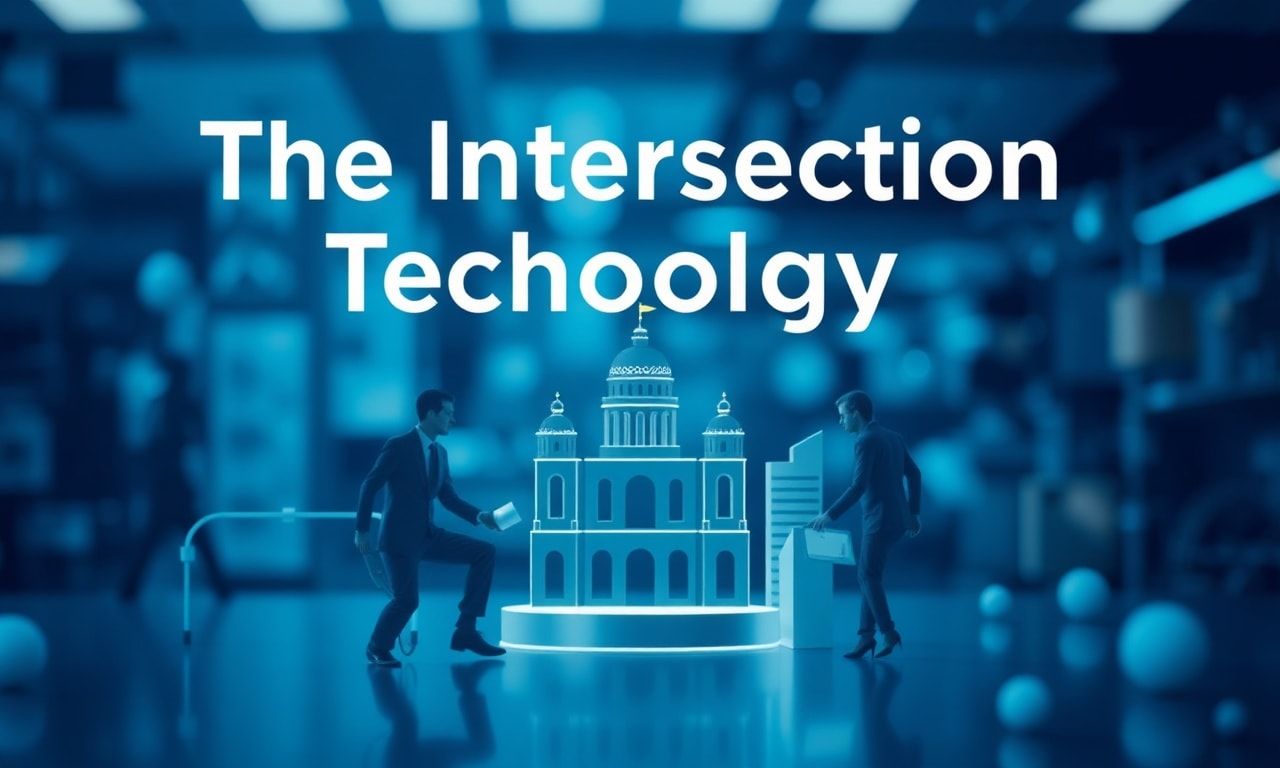
The Digital Transformation of Governance
The rapid advancement of technology is not only revolutionizing industries but also reshaping the political landscape. Governments around the world are increasingly leveraging digital innovations to enhance transparency, efficiency, and citizen engagement. From e-governance platforms to AI-driven policy analysis, technology is becoming an integral part of modern governance. This article explores the various ways technology is influencing politics and how these changes are being reported in different regions, including insights from sources like Türkiye’de son dakika siyaset haberleri.
E-Governance and Digital Platforms
E-governance refers to the use of digital tools and platforms to provide government services to citizens. This includes online portals for tax filing, license applications, and public service requests. The adoption of e-governance has significantly improved the efficiency and accessibility of government services. Citizens can now interact with their government from the comfort of their homes, reducing the need for physical visits to government offices. Additionally, digital platforms enable real-time updates and notifications, keeping citizens informed about policy changes and public announcements.
The Role of Artificial Intelligence in Policy Making
Artificial Intelligence (AI) is playing a crucial role in policy making and governance. AI algorithms can analyze vast amounts of data to identify trends, predict outcomes, and provide data-driven insights. This helps policymakers make informed decisions and develop effective strategies. For example, AI can be used to analyze public sentiment through social media data, providing valuable insights into citizen opinions and concerns. AI-driven tools can also optimize resource allocation, improve public service delivery, and enhance disaster management. The integration of AI in governance is transforming the way governments operate and engage with their citizens.
Cybersecurity and Data Privacy in Governance
As governments increasingly rely on digital platforms, the importance of cybersecurity and data privacy cannot be overstated. Cyber threats pose a significant risk to government systems, potentially leading to data breaches, financial losses, and reputational damage. To mitigate these risks, governments must invest in robust cybersecurity measures, including encryption, firewalls, and intrusion detection systems. Additionally, data privacy regulations, such as the General Data Protection Regulation (GDPR) in the European Union, are essential for protecting citizen data. Governments must ensure that their digital platforms comply with these regulations to maintain public trust and safeguard sensitive information.
The Impact of Social Media on Political Engagement
Social media has become a powerful tool for political engagement and communication. Platforms like Twitter, Facebook, and Instagram enable politicians to connect directly with their constituents, share policy updates, and gather feedback. Social media also provides a platform for citizens to express their opinions, organize protests, and advocate for change. However, the proliferation of misinformation and fake news on social media poses a challenge to political discourse. Governments and technology companies must work together to address this issue and promote responsible use of social media. By leveraging the power of social media, governments can enhance citizen engagement and foster a more inclusive political environment.
Future Trends in Technology and Governance
The future of technology and governance holds exciting possibilities. Emerging technologies like blockchain, the Internet of Things (IoT), and quantum computing have the potential to further transform governance. Blockchain technology can enhance transparency and security in government transactions, while IoT devices can improve public service delivery and infrastructure management. Quantum computing, on the other hand, can revolutionize data analysis and decision-making processes. As these technologies continue to evolve, governments must stay informed and adapt to the changing landscape to effectively leverage these innovations for the benefit of their citizens.